
Building Inner Resilience to Lead Through the Metacrisis
To comprehend the risk landscape - current, emerging, strategic, you have to sit with some very complex issues. Sooner or later the concepts stop being abstract and become personal. The best response to combat those feelings is to act. And for risk and resilience practitioners, building your own resilience first isn't optional, it's the work that makes everything else possible.

Speak-Up Culture: Why Whistleblower Policies Aren't Enough
Before anyone reaches a whistleblower hotline, something else happens. It plays out in the informal system — a set of cultural signals that most people read long before they ever consider using the formal mechanism. The decision not to speak up is rarely made in a moment. It is made slowly, through a hundred small signals.

Culture Drift: The Governance Risk Nobody Sees Coming
Culture drift does not require bad people, it just requires the right conditions. Unchecked positional power, silence from those who don't speak up, a gradual normalisation of small shifts until they become acceptable. Purpose, values and ethics are the fixed point. The thing you look back to and ask honestly: are we still where we said we would be?

The Governance Cost of Certainty: When Confidence Becomes Risk
We live and work in a world where certainty equates to trust, where walking into a room with all the answers is a well-trodden path to professional success. But in rewarding certainty and promoting those who project it best, have we quietly built cultures where the inquiring mind is seen as a liability? This kind of certainty is not strength. It is creating the conditions for a governance failure.

Rethinking Risk: When Assumptions Stop Fitting the World
Risk is not simply the probability of harm, it is what happens when an organisation's assumptions, capabilities and dependencies quietly stop fitting the world around them. Traditional risk management was designed for stable environments. We are no longer in that environment. What this moment is calling for is a more honest view of what the organisation is actually exposed to.
AI Governance: Who Bears the Harm When AI Goes Wrong?
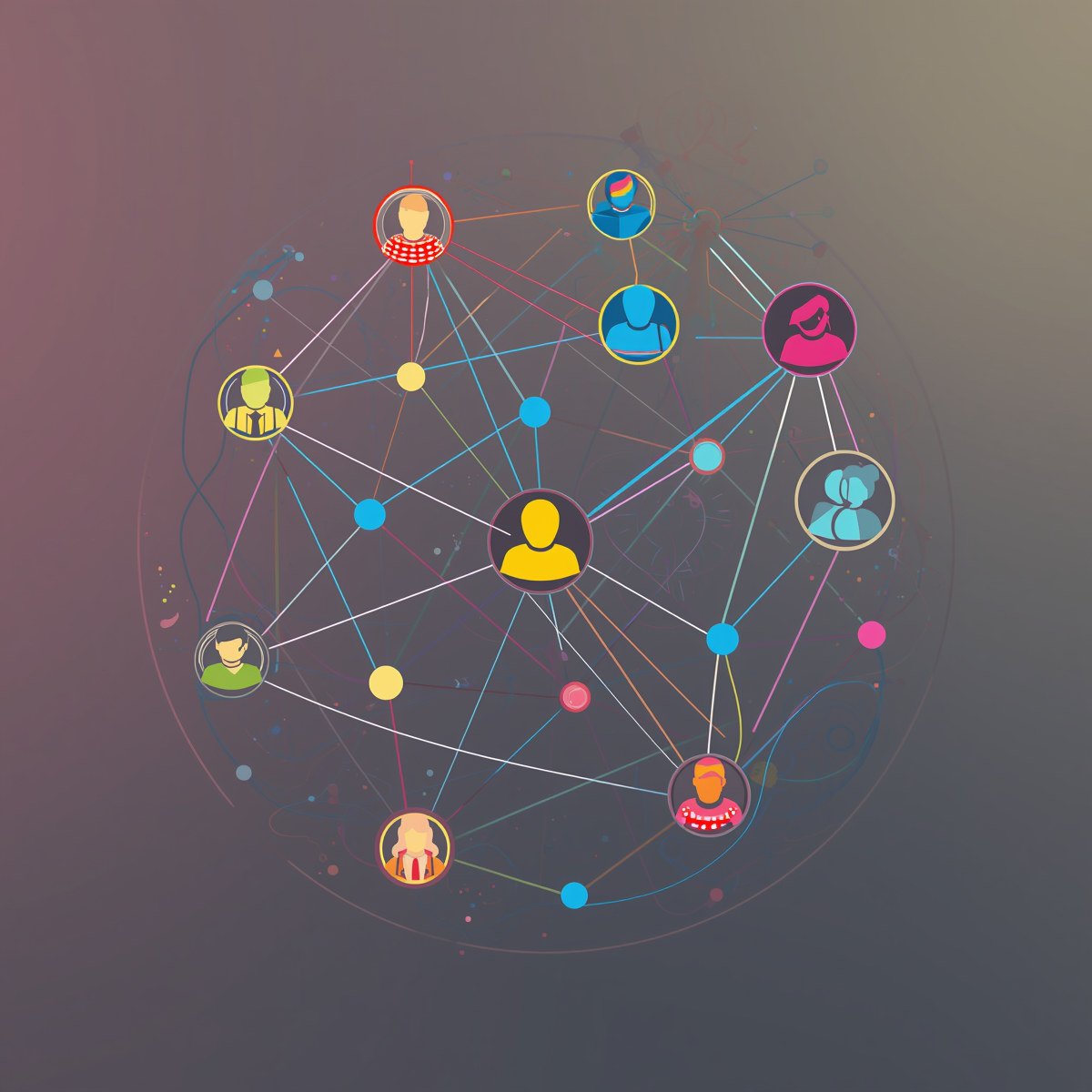
Most AI harms are experienced by people who never chose to use the technology in the first place. A peer-reviewed study of 499 publicly reported AI incidents found that the party obtaining the benefit is routinely not the party absorbing the harm. The question for boards is whether your governance framework reflects that responsibility.

Built for Disruption: Governance as a Load-Bearing Structure
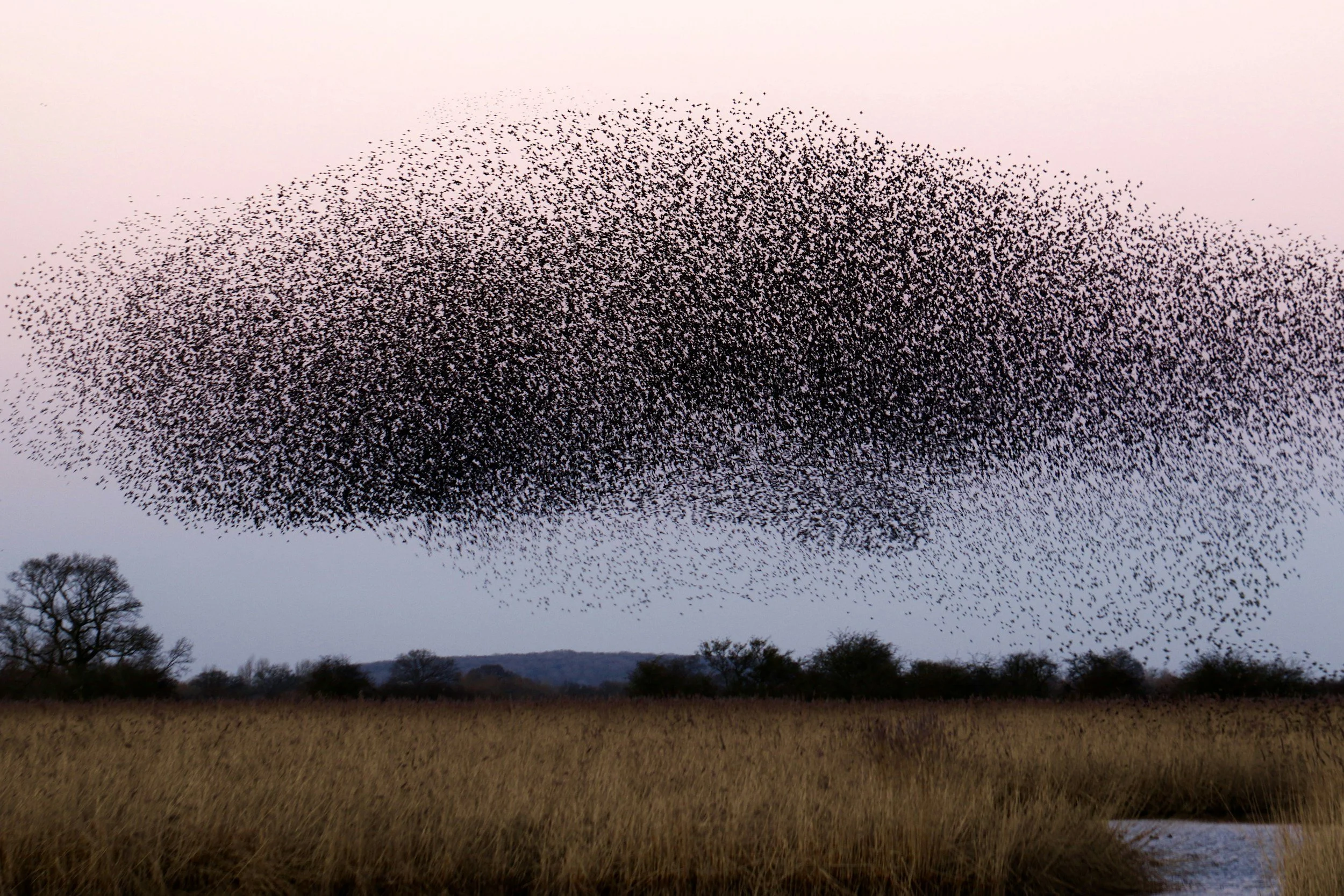
Ecosystems do not exist in a state of stability occasionally interrupted by disruption, they exist in a permanent state of disruption, continuously adapting and releasing what no longer serves. Organisations are no different. The ones that endure are not the ones that held their current form against disruption. They are the ones that built the internal conditions to absorb what arrives, find a new footing, and keep moving.
AI - If the governance system needs to change, what does it need to change into?
The organisations navigating AI risk well will not be the ones with the most sophisticated frameworks — they will be the ones that invested in the human conditions that frameworks cannot codify. Trust. Information flow. Distributed judgment. The courage to look at the whole rather than just the parts.

AI - Has the governance system been built for the world we are now operating in?
APRA's letter to industry on artificial intelligence surfaces something important: for many organisations, AI has not created new governance weaknesses — it has illuminated ones that were already there. The natural instinct is to run. The wiser move is to slow down, go deep, and build the conditions that make speed possible.

The Ground Has Shifted | A Governance Series | Post 6 of 6
There is no map. No framework, no template, no AI-led solution will provide a fast path through complexity. The organisations that navigate this well will not be the ones that applied a quick fix, they will be the ones that went deep, that took the time to understand the terrain. Not a framework. Not a destination. A practice.

The Ground Has Shifted | A Governance Series | Post 5 of 6
The organisations that endure won't predict every wave of disruption — but they will have built the capacity to respond to waves they didn't predict. That capacity isn't a strategy, a framework, or a policy. It's a culture, built slowly, in the ordinary moments of governance.

The Ground Has Shifted | A Governance Series | Post 4 of 6
Boardroom culture isn't a values statement on a wall. It lives in what gets said and what doesn't, in who speaks and who stays quiet, in whether a concern gets airtime or gets smoothed over. The chair sets that culture more than any other single factor — and right now, that matters more than it ever has.

The Ground Has Shifted | A Governance Series | Post 3 of 6
Quarterly boards were designed for a slower, more predictable world. In an environment defined by fast-moving, interconnected risk, the question isn't whether quarterly boards are wrong — it's whether the quarterly cycle is the only rhythm in the system, and whether that system is designed to sense what is actually happening or to confirm what management has already interpreted.

The Ground Has Shifted | A Governance Series | Post 2 of 6
The most consequential governance conversations are the ones that surface what isn't yet fully formed — the early signal, the unresolved concern, the pattern that can't yet be explained. If something important was emerging in your organisation right now, do you have confidence it would reach your board in time?

The Ground Has Shifted | A Governance Series | Post 1 of 6
There is no certainty available right now — and waiting for it is a choice. So is acting without it. The question isn't whether your board can wait for clarity. It's whether your board is ready to govern without it.